The fertilizer crisis triggered by COVID-19 and the Russia–Ukraine conflict also exposed African food systems’ vulnerability to external supply shocks. A comparative study of Ghana, Kenya, and Morocco found that disrupted supply chains caused sharp price increases, reduced fertilizer access and use, and threatened crop productivity and food security.
Between 2021 and 2022, fertilizer prices doubled or tripled across these three countries. In Kenya, urea prices increased sharply from about US$590 per ton to US$1,200 per ton. At the same time, Ghana experienced severe shortages and steep price hikes.
Morocco, despite its strong phosphate industry, also faced major increases, particularly for imported nitrogen and potassium fertilizers. The rapid transmission of global shocks to local markets highlighted Africa’s exposure to geopolitical and logistical disruptions.
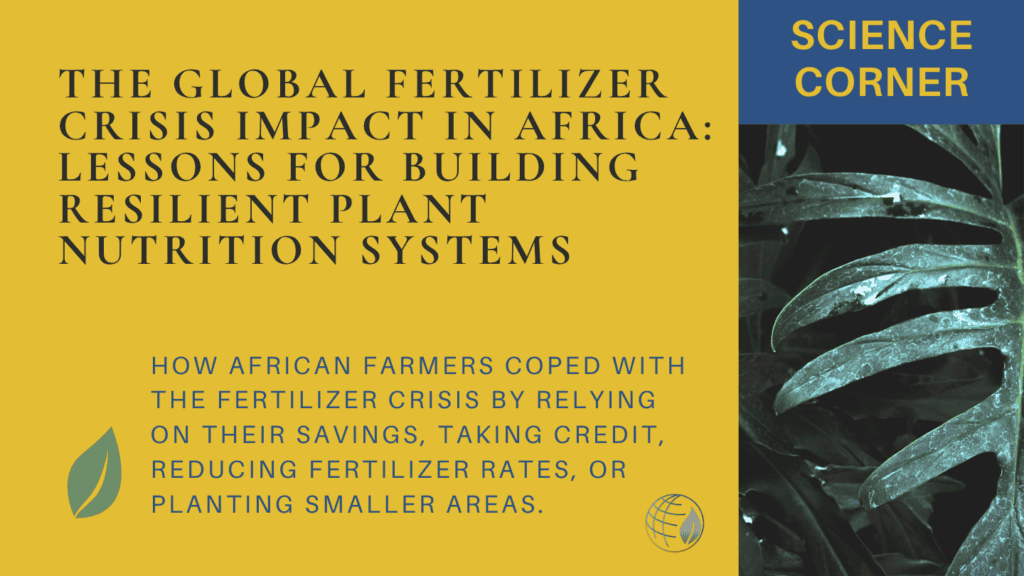
Farmers responded by cutting fertilizer use, delaying purchases, reducing cropped areas, shifting to lower-input crops, or relying on savings and informal credit. This especially hit regions already marked by low fertilizer use and nutrient-depleted soils.
Resilience differed across countries due to market structures and policy frameworks. Ghana’s subsidy-dependent, import-reliant system proved highly vulnerable. Kenya’s liberalized market with stronger private sector participation still faced severe price transmission. Morocco’s vertically integrated fertilizer industry and regulated pricing provided greater supply stability, though affordability remained a challenge.
Governments mitigated impacts through subsidies, credit support, direct distribution, and supply chain interventions. Kenya subsidized about 40% of fertilizer costs at the crisis peak, while international organizations and private actors expanded access through credit schemes and relief programs, demonstrating the value of coordinated public-private action.
The study “Impacts of the global fertilizer crisis in Africa: insights from country-level studies” highlights the need to strengthen Africa’s fertilizer and plant nutrition systems by expanding regional production and blending capacity, improving logistics and storage, diversifying supply sources, and increasing farmer access to finance. Greater investment in integrated soil fertility management and 4R Nutrient Stewardship is also essential to improve nutrient efficiency and reduce vulnerability to future shocks.
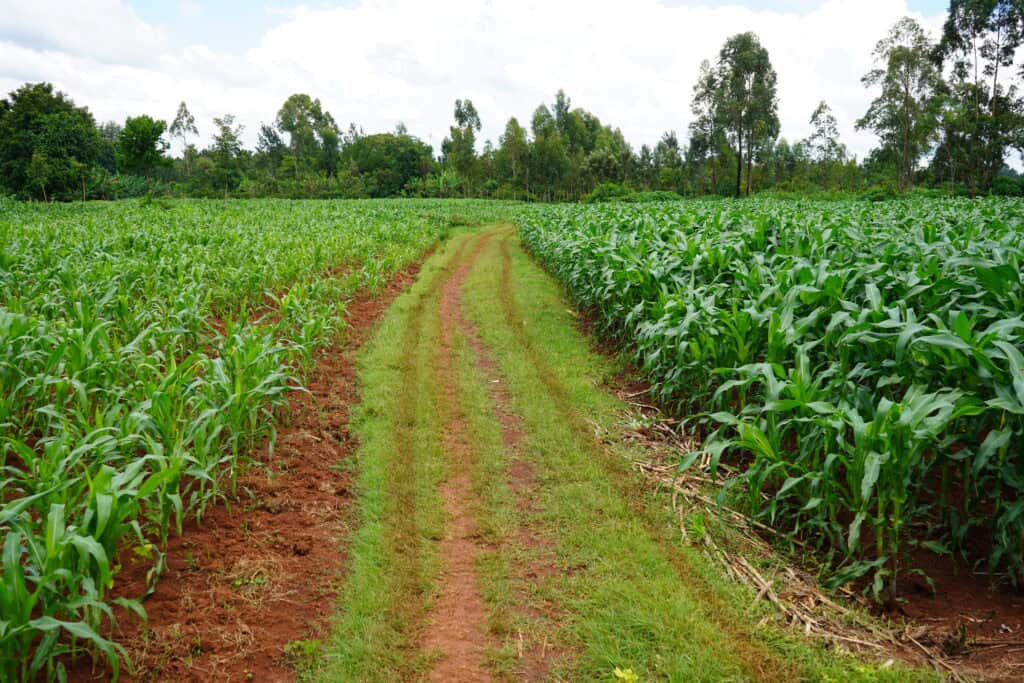
The crisis showed that resilient food systems depend on resilient plant nutrition systems. Sustaining food security and agricultural intensification in Africa requires coordinated investment in supply chains, policy reform, agronomic innovation, and farmer support.